Hyde Park and Tampa's other older neighborhoods are full of homes built before the 1950s. Eric explains what's usually behind the walls, and why the expensive part of an older-home remodel is often the taking apart, not the adding.
Get a price for your projectRead what Eric says Transcript
If you own an older home and are planning a remodel, you should watch this. We're here in Hyde Park, known for beautiful older historic homes. While there is charm to owning something like this, there are also things you should plan for when doing a remodel.
Most of these homes were built before the 1950s. That means outdated electrical wiring, cast iron plumbing, plaster walls, termites, even an uneven foundation.
Look, what I'm trying to say is an older house typically requires a little bit more out of that budget. Sometimes the expensive part is not adding, it's when you're actually taking things apart.
Hyde Park is known for beautiful older homes, and there's real charm in owning one. But if you're planning a remodel, an older house comes with things a newer one doesn't, and it pays to plan for them before the first wall comes down.
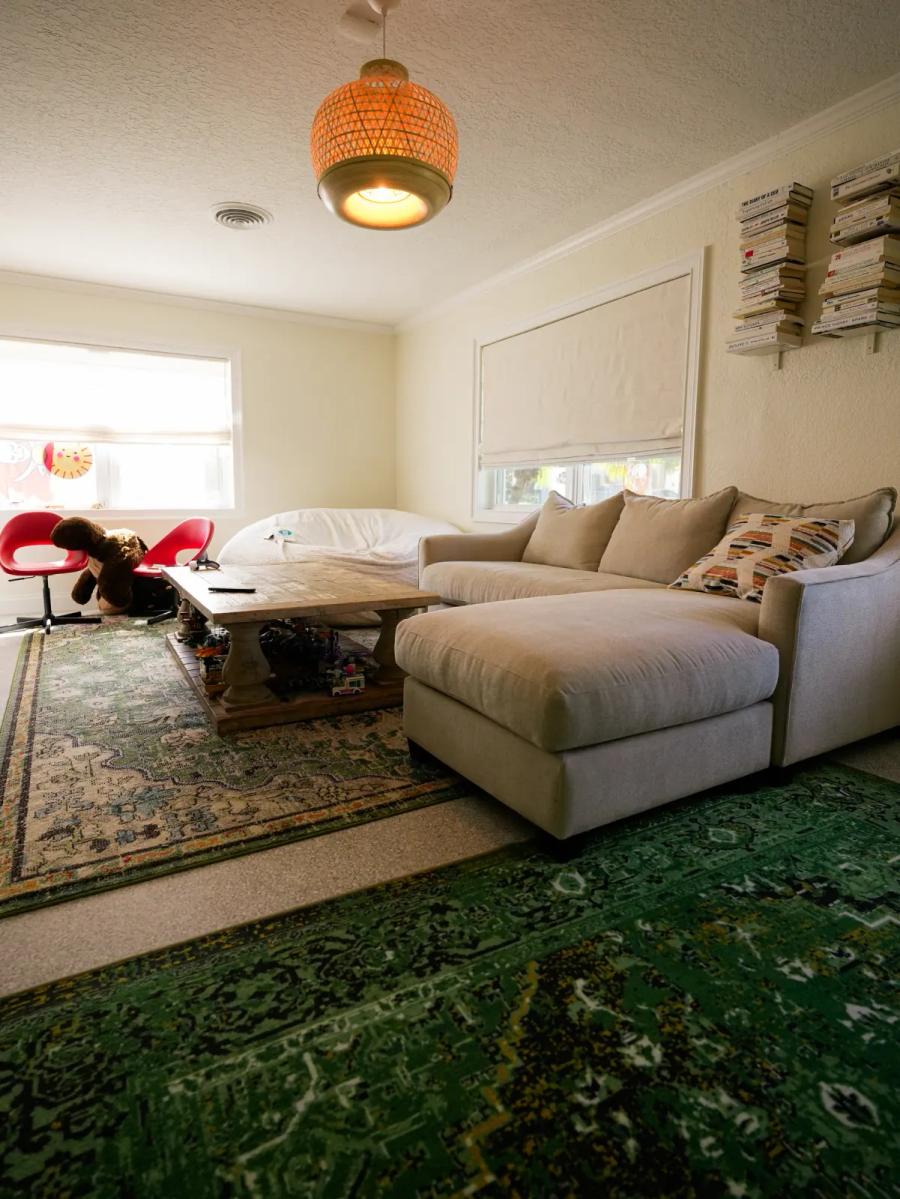
What's usually behind the walls
Most of these homes were built before the 1950s. That means five things are worth expecting before anyone opens a wall:
- Outdated electrical wiring. Systems from that era weren't built for the loads a modern kitchen or bathroom puts on them, and opening walls is usually the moment to bring them up to date.
- Cast iron plumbing. Cast iron drain lines age from the inside, so their condition often isn't known until they're exposed.
- Plaster walls. Plaster takes more work to cut, patch and match than drywall, so even small openings take longer.
- Termites. Damage from termites is often hidden until wall or floor framing is uncovered.
- An uneven foundation. Decades of settling can leave floors and walls out of level, which matters for cabinets, tile and countertops.
Why an older home needs more of the budget
An older house typically requires a little more out of the budget. Sometimes the expensive part isn't adding something new, it's taking things apart. Until the walls, floors or ceilings are open, nobody can see the wiring, drains or framing behind them, and that's where most of the unknowns are.
How we handle what we find
When we open a wall and find water damage or something structural, we stop, photograph it, price it and bring you a written change order before anyone touches it. No verbal change orders and no surprise invoices. It happens on roughly one in three older Tampa homes, and it's the main reason a final number can move.
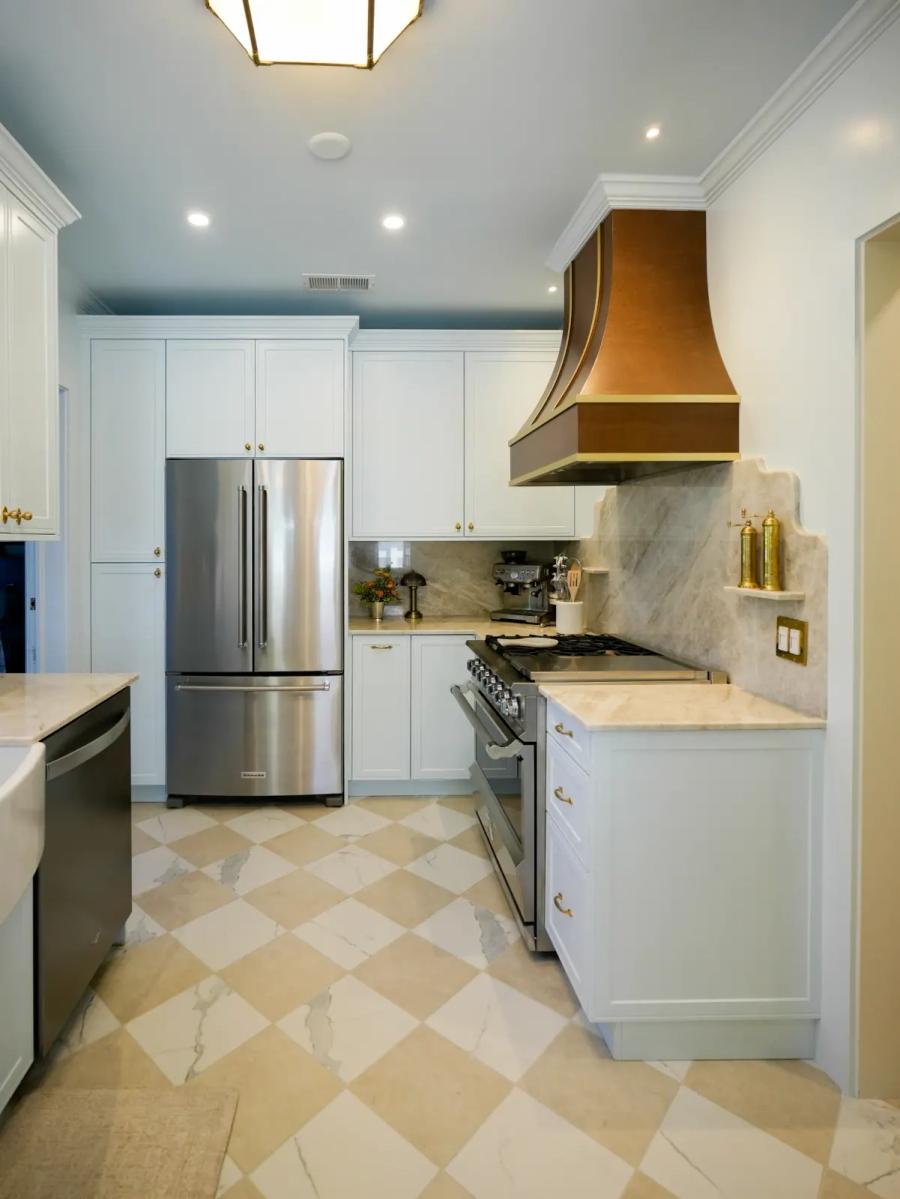
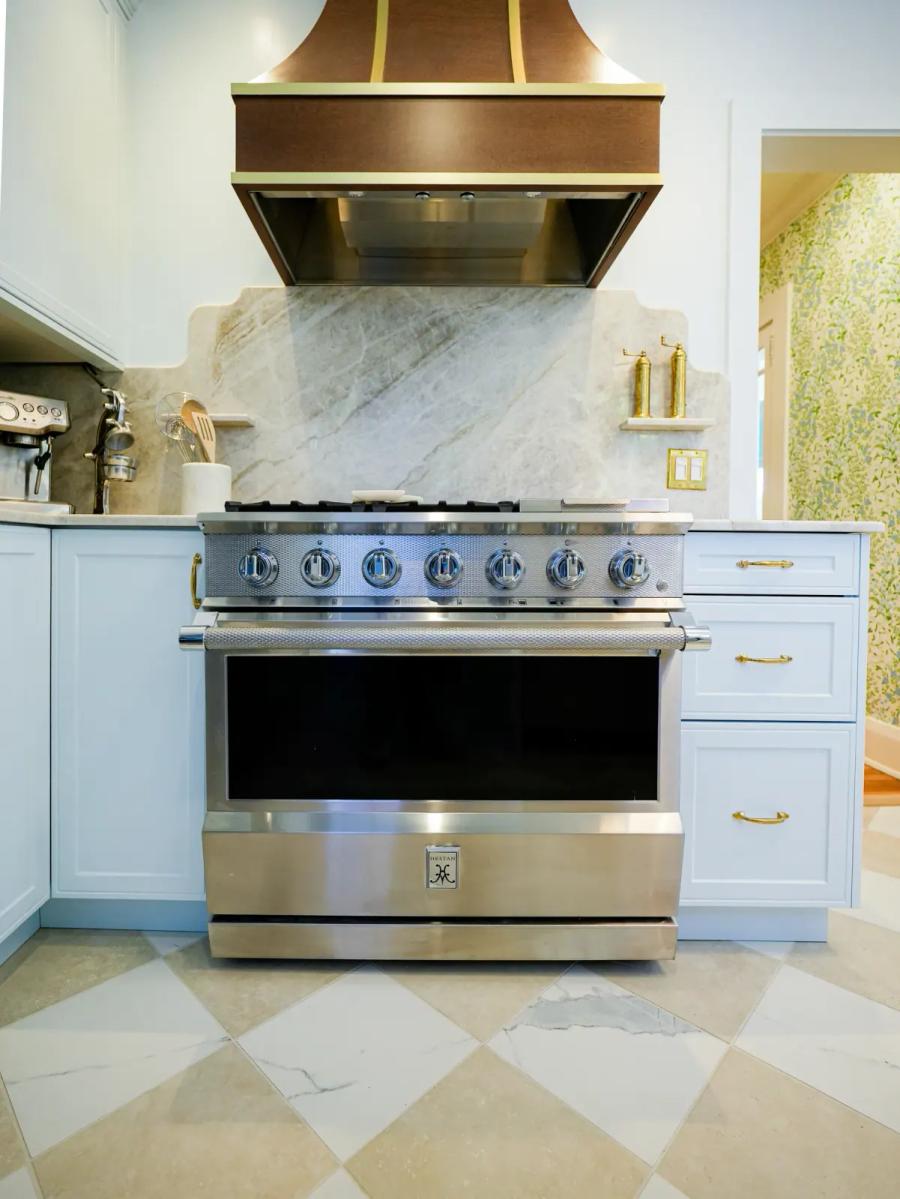
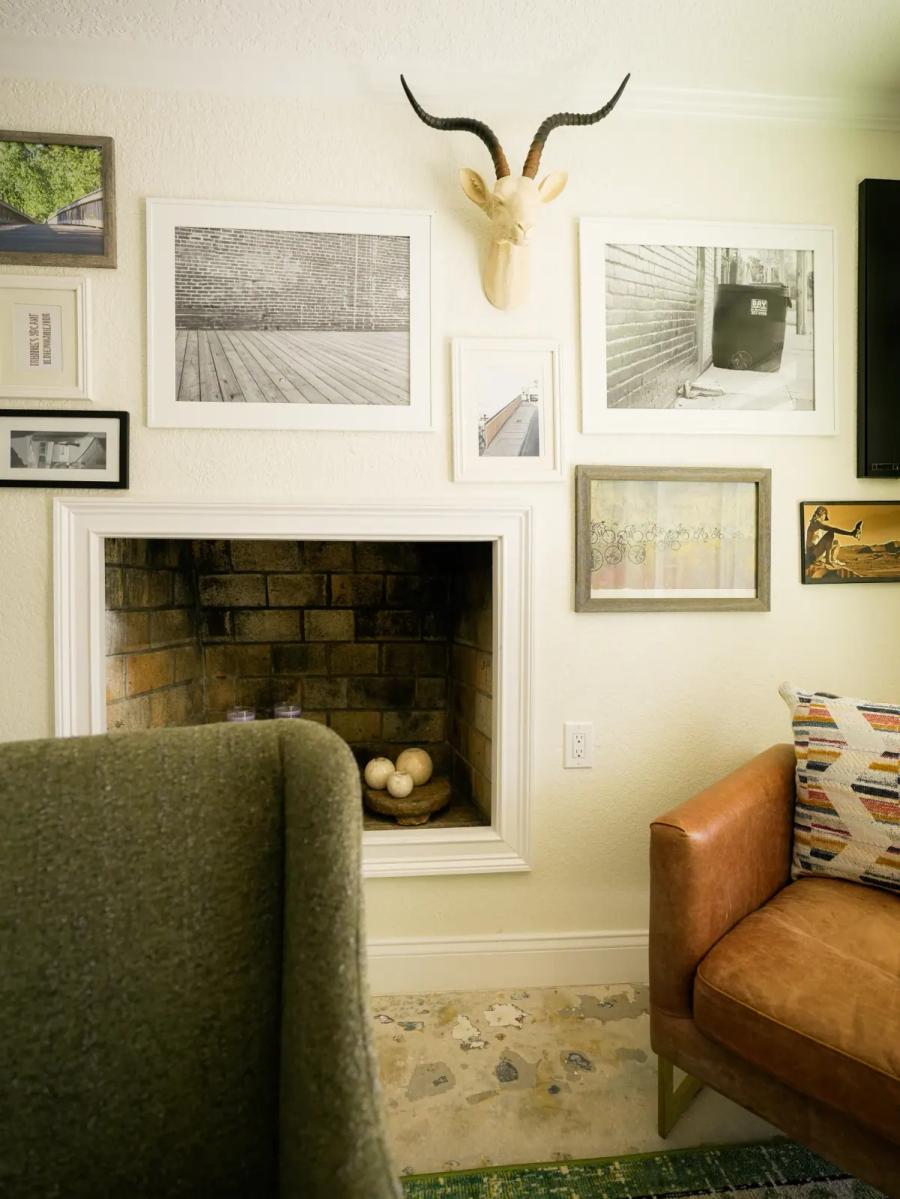
See two older-home projects of ours: a historic home kitchen with a copper range hood and period lighting, and a historic interior restoration where an arched brick alcove was uncovered and restored and the electrical was upgraded.
Historic districts add a step
If your home sits in a designated historic district such as Hyde Park, Ybor City, Tampa Heights or Seminole Heights, architectural review adds roughly 30 days, and the reviewing commission meets monthly. That review needs to be in the schedule from the start, not discovered after the design is done.
More from Eric
More short clips from the jobsite on the same subject.
Swipe for more →
Questions people also ask
Does it cost more to remodel an older home?
Usually, yes. An older house typically needs more of the budget, because the expensive part is often taking things apart: old wiring, cast iron drains, plaster, termite damage or settling that can't be seen until walls are opened.
What happens if you find a problem behind the walls?
We stop, photograph it, price it and bring you a written change order before anyone touches it. No verbal change orders and no surprise invoices.
Does a historic district like Hyde Park need extra approval?
Yes. In a designated historic district, architectural review adds roughly 30 days, and the reviewing commission meets monthly, so it belongs in the schedule from the start.